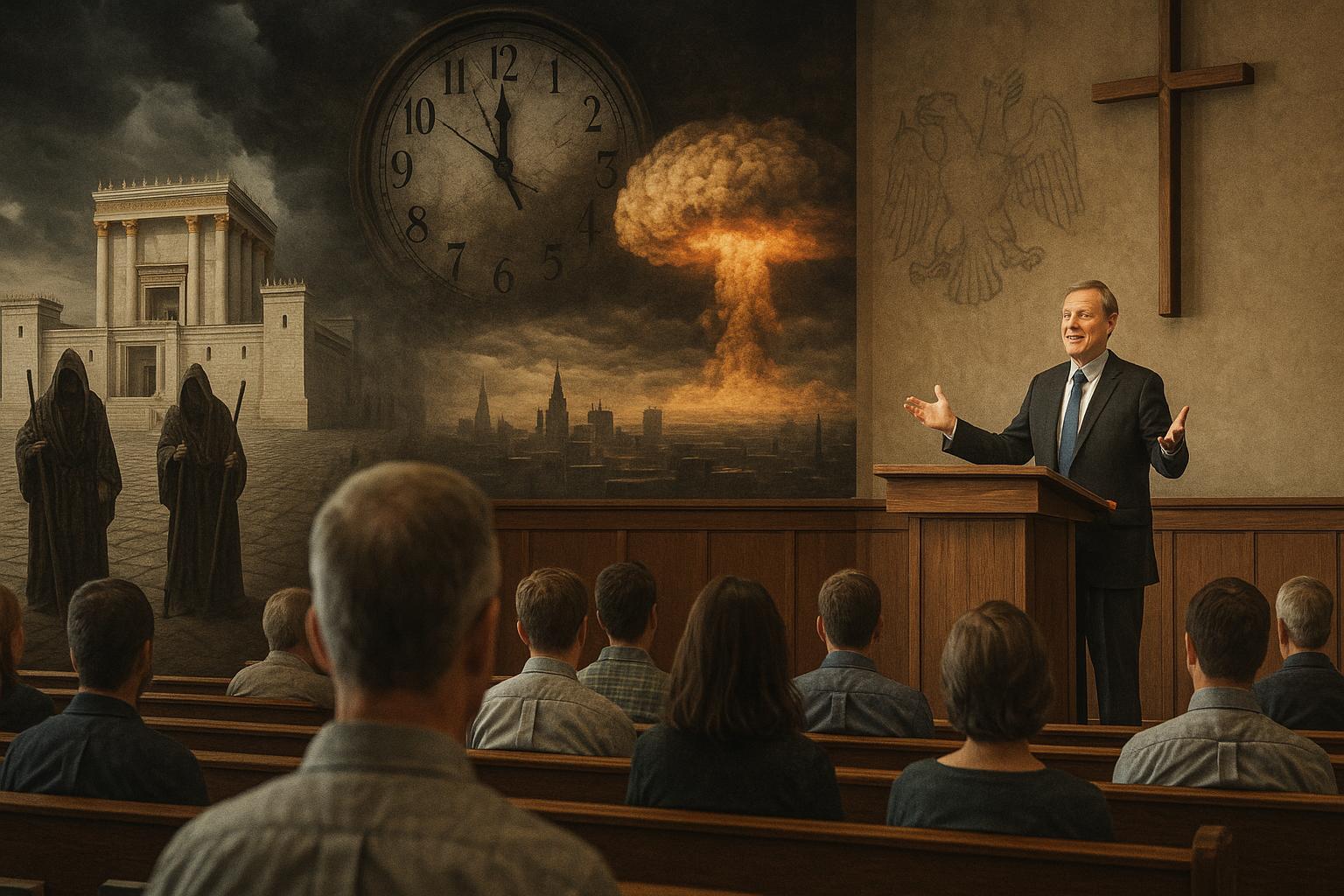
The Silencing of Prophetic Truth: Why the Church Refuses to Speak of End-Times Signs
A strange silence reigns in the modern church. While prophetic signs are being fulfilled before our very eyes at an accelerating pace, the pulpits echo mostly with empowering life advice and comfort-zone affirmations. The concrete events of Revelation — the two witnesses, the third temple, the time of tribulation — have been buried beneath layers of symbolism or dismissed as ancient history. This silence is no coincidence but part of a larger pattern in which truth has been quietly replaced by the gospel of comfort.
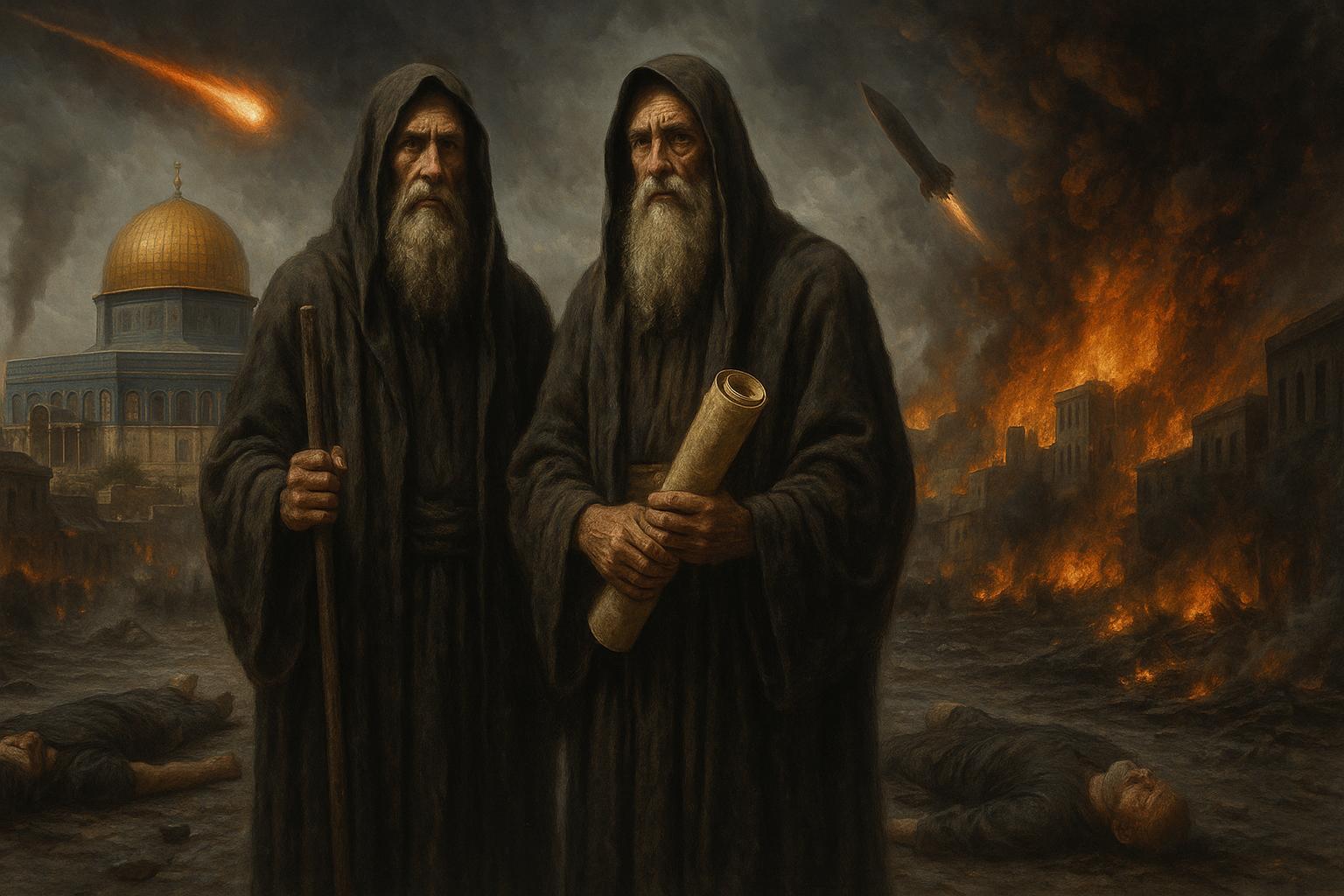
When we examine the two witnesses¹ described in Revelation 11, we encounter one of the most glaring examples of this silence. These two prophets, who will prophesy for 1,260 days clothed in sackcloth, are too concrete, too disruptive for today's feel-good Christianity. They do not fit the prosperity theology model in which believers are always victorious and blessed. On the contrary, their testimony ends in martyrdom on the streets of Jerusalem, where their bodies lie for three and a half days in full view of the entire world. After three and a half days, the Spirit of God enters them and they are caught up while all the world watches. This is the final call to repentance and the only visible miracle of God that will be given to the world. This visual spectacle and technological detail has only become possible in our time through global media.
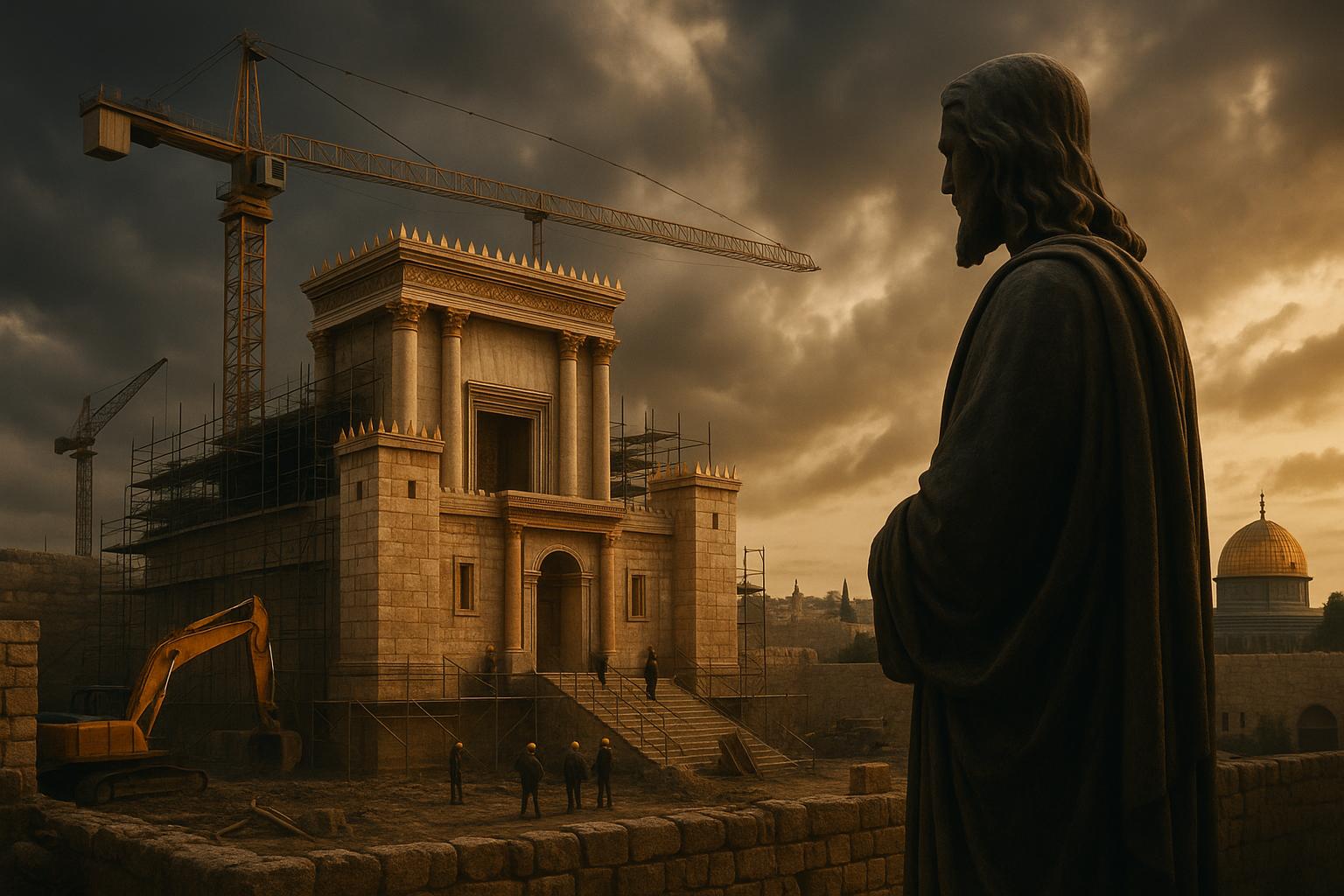
The building of the third temple² emerges as a particularly problematic subject, for it exposes a theological blind spot in the thinking of many Christians. There is eager support for the State of Israel and even for the temple reconstruction project, without understanding that this represents the ultimate rejection of the atoning work of Christ. Jesus said: "Destroy this temple, and in three days I will raise it up"³ — referring to His own body as the true temple. Restoring the physical temple with its sacrificial rites is a theological regression that denies the perfect sacrifice of Calvary. It is as though we were returning to the shadows of the old covenant when we already possess the reality in Christ.
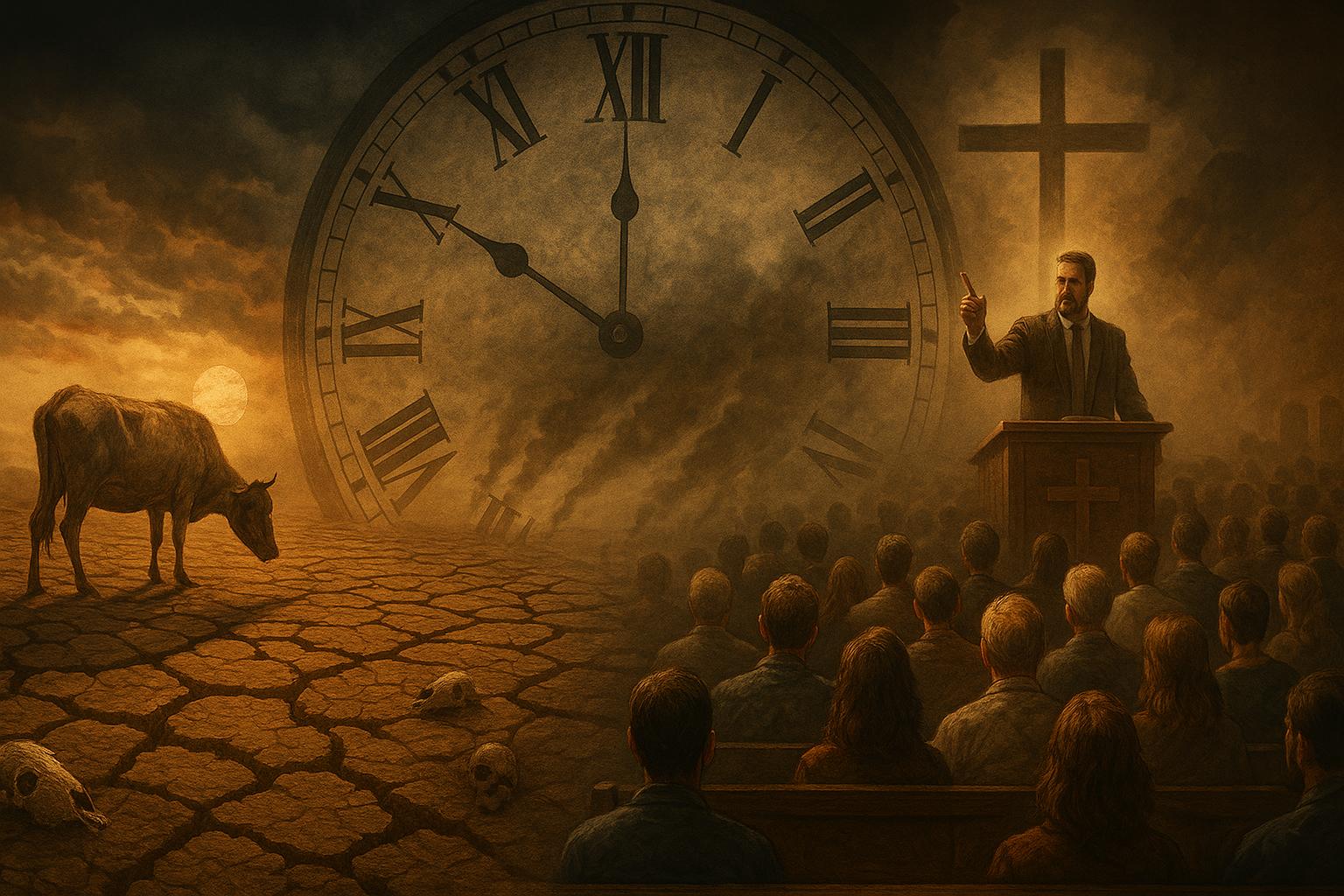
The three-and-a-half-year period foretold in Daniel's prophecy⁴ appears in multiple forms: 42 months, 1,260 days, "a time, and times, and the dividing of time." This time period recurs throughout Revelation with astonishing precision. It is not arbitrary but points to both historical and future events. It is directly linked to the promised famine and drought, which are not merely spiritual metaphors but concrete judgements upon an apostate world. The current climate crisis narrative may well be preparation for the explanatory framework through which these coming events will be rationalised away as anything other than divine judgements.
The most disturbing aspect of all is how the church speaks of a coming "revival" at the very time when Scripture warns of a great falling away⁵. This cognitive dissonance reveals how deeply deception has already penetrated. Paul writes plainly: "Let no man deceive you by any means: for that day shall not come, except there come a falling away first." Yet from the pulpits comes the optimistic proclamation of coming revival, as though the Word of God were an optional opinion rather than prophetic reality.
The expectation of the rapture⁶ has become a trap for many. Rather than preparing to face tribulation and bear witness to the truth at any cost, we construct theological escape routes. The "pre-trib" doctrine promises a comfortable exit just when things get difficult. But the question arises: what happens to faith when the rapture does not come at the expected moment? When the two witnesses appear and the church is still on earth? This disappointment may be the very catalyst that drives many into apostasy. On the other hand, it may also purify the church of those who love their own comfort rather than the truth.
The blasphemy against the Holy Spirit⁷, the unforgivable sin, is organically connected to this entire picture. As a world religion rises and demands that all acknowledge that "all paths lead to God," we face the ultimate watershed. This is no longer theological hair-splitting but spiritual life or death. To deny the uniqueness of Christ is to deny the work of the Holy Spirit, for the Spirit testifies specifically of Jesus. "Every spirit that confesseth that Jesus Christ is come in the flesh is of God"⁸. The coming world religion will demand the rejection of this very confession in the name of tolerance.
The silence of the churches on these matters stems from multiple sources. First, the fear of losing people: apocalyptic sermons do not fill pews or collect tithes. Second, theological pride: modern Christianity believes itself wiser than previous generations who "naively" believed in the literal fulfilment of prophecy. Third, the culture of comfort: it is far easier to speak of God's love without judgement, blessings without responsibility, victory without battle.
Spiritual blindness has progressed so far that the signs are interpreted as their very opposites. Technological advancement that makes the mark of the beast⁹ possible is hailed as progress. Globalisation that paves the way for a single world government is celebrated as a harbinger of peace. Religious ecumenism that blurs the boundaries of truth is welcomed as the triumph of love. Meanwhile, the few who dare to speak of these things are branded as fanatics and fearmongers.
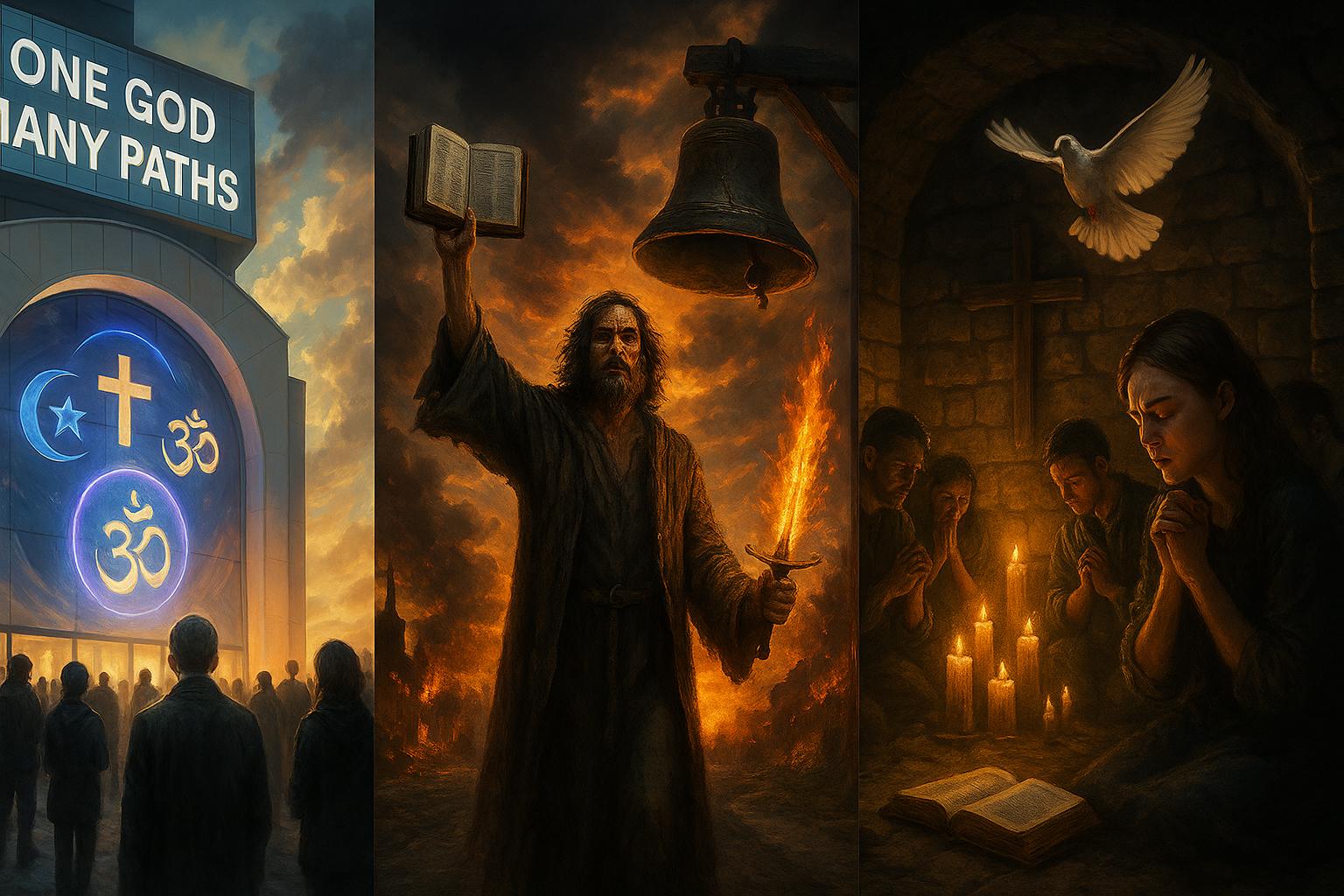
The lesson of history is clear: whenever the church has ceased to expect the return of the Lord as a concrete event, it has begun to conform to the world. This pattern can be traced from the age of Constantine onward. As eschatology fades, compromise flourishes. Today we have reached the point where the prophetic word has been effectively silenced. In its place we are offered psychology in the guise of theology, self-esteem coaching as the gospel, and social justice as salvation.
The truth is that we are entering a time when every person must make a choice. It is no longer possible to sit on the fence or hide behind religious platitudes. When the two witnesses appear, when the third temple rises, when the system of the antichrist demands allegiance — then it will be revealed whose side each person truly stands on. Those who have built their faith on comfort and prosperity will not endure the trial. But those who are rooted in truth will stand firm, though heaven and earth be shaken.
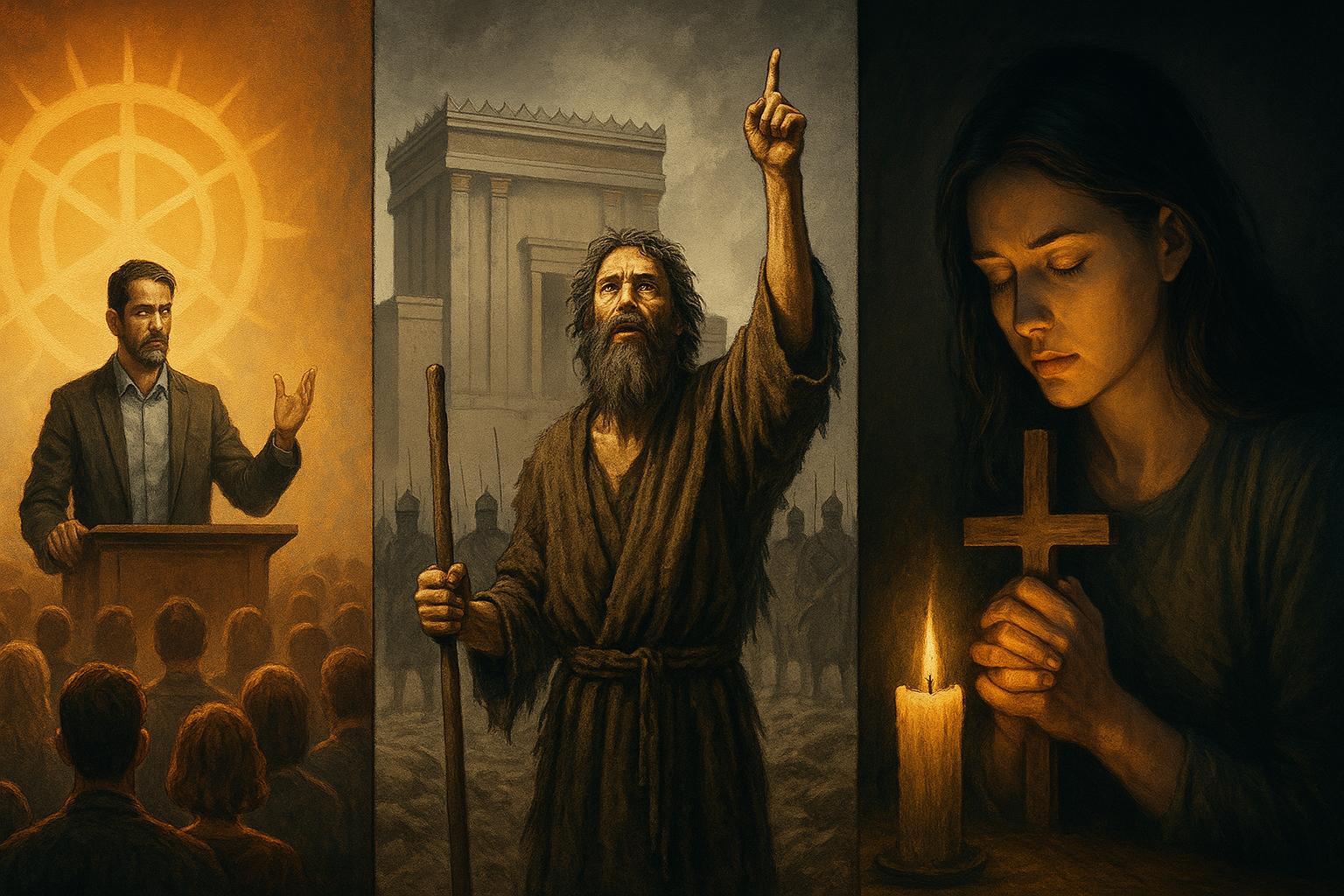
Returning to the original question of why the churches remain silent on these matters, the answer reveals a deeper truth about their condition. The silence is not merely negligence — it is an active choice. A choice between comfort and truth, between approval and prophetic calling. Every pastor who remains silent on these matters has made a choice. Every Christian who does not wish to hear has made a choice. These choices are shaping the church that will either stand or fall in the coming trial.
The final question challenges each of us personally:
Are we prepared to stand on the side of truth, even if it costs us everything? When the world religion¹⁰ demands that we bow before the altar of a common deity, that we deny the uniqueness of Christ — are we prepared to say "no," knowing it will mean rejection, persecution, perhaps death? This is not a theoretical question but a reality that will confront us very soon. The preparation begins now — by facing the truth without compromise.
Sources:
- Walvoord, J. F. (1989). The Revelation of Jesus Christ. Moody Press. pp. 178-192.
- Ice, T., & Price, R. (1992). Ready to Rebuild: The Imminent Plan to Rebuild the Last Days Temple. Harvest House Publishers. pp. 65-89.
- John 2:19-21. King James Version (KJV).
- Daniel 7:25, 9:27, 12:7. King James Version (KJV).
- 2 Thessalonians 2:3. King James Version (KJV).
- LaHaye, T. (1984). The Rapture: Truth or Consequences. Multnomah Press. pp. 45-67.
- Matthew 12:31-32, Mark 3:28-29. King James Version (KJV).
- 1 John 4:2-3. King James Version (KJV).
- Revelation 13:16-18. King James Version (KJV).
- Pink, A. W. (2005). The Antichrist. Christian Focus Publications. pp. 234-256.