Behind the Mask of the Spirit of the Age: An Ancient Enemy in New Clothing
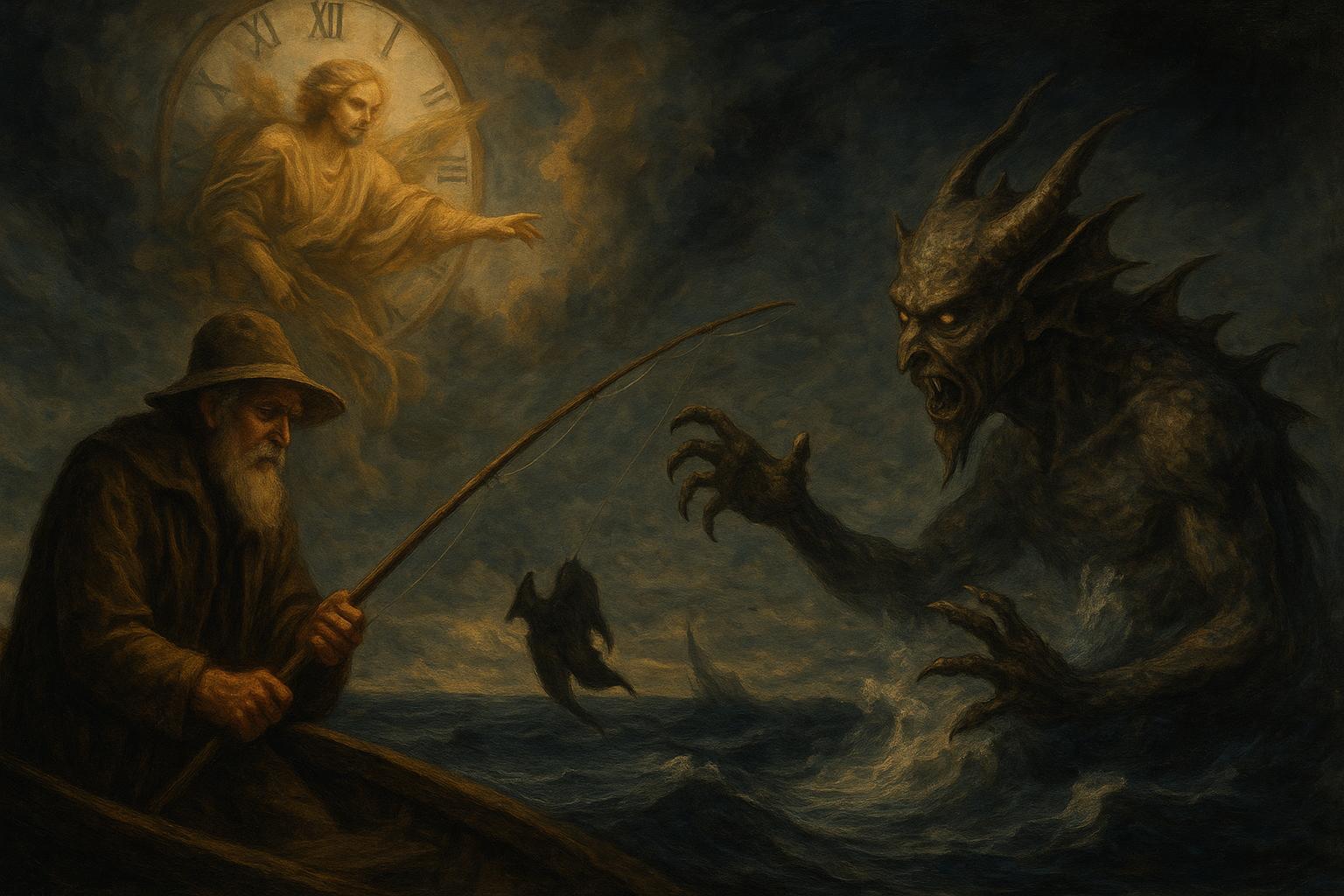
As a seasoned fisherman recognises the predator lurking beneath the surface by the faintest of signs, so must we learn to identify the ancient enemy behind its ever-shifting masks. Paul reveals in his letter to the Ephesians a truth that suddenly brings history into sharp focus: "For we wrestle not against flesh and blood, but against principalities, against powers, against the rulers of the darkness of this world, against spiritual wickedness in high places"¹. The spirit of the age is not an abstract cultural phenomenon or a neutral historical force. It is a personal, intelligent, and purposeful enemy with one objective: to separate humanity from God. When we understand this, the patterns of history begin to emerge in an entirely new light.
Jesus Himself named this power: "the prince of this world"². The Greek word "kosmos" does not refer merely to the physical world but to the entire fallen system — encompassing ways of thinking, values, philosophies, and power structures. All of these stand in opposition to the Kingdom of God. The spirit of the age is the voice of this system, its ever-changing yet always identical propaganda. Satan, "the father of lies"³, dresses his eternal rebellion in new garments, but the agenda remains unchanged: to make man believe he can be "as gods"⁴.
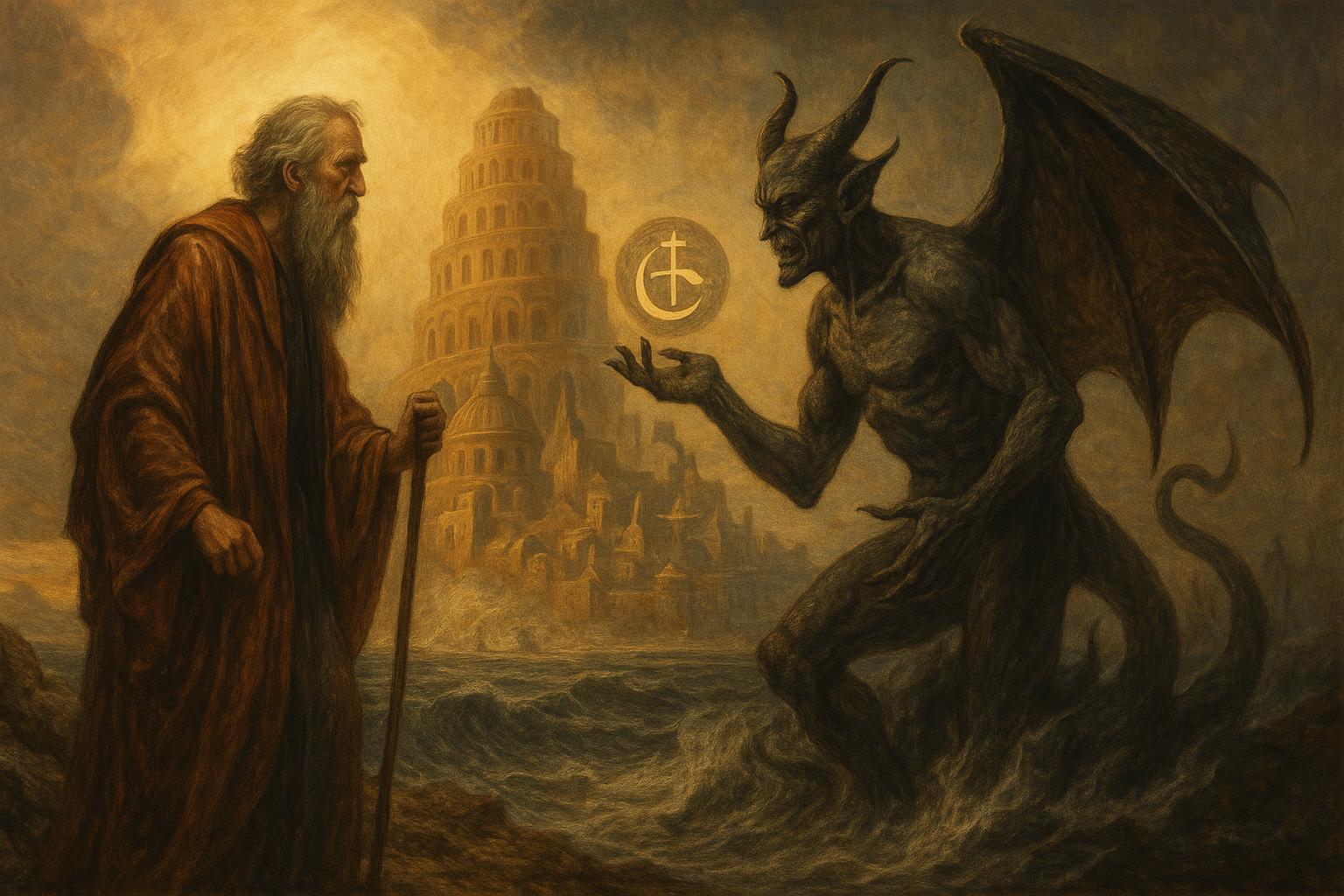
When we examine history through this lens, an astonishing pattern emerges. The builders of the Tower of Babel declared: "Let us make us a name"⁵. This same pride repeats in every empire, every ideology, every "progressive" movement. The ancient Babylonians worshipped stars and planets, believing they could master their own destiny. Today the same spirit manifests in transhumanism and the religion of artificial intelligence. The Romans declared the emperor to be god, and today the state assumes God's place as the "omnipotent" welfare machine. The masks change, but behind them is the same deceiver.
The true genius of the spirit of the age lies in its ability to disguise itself as light. Paul warns: "And no marvel; for Satan himself is transformed into an angel of light"⁶. Every great deception throughout history has arrived in the name of progress, enlightenment, and love. Consider three great betrayals: the French Revolution promised "liberty, equality, and fraternity" but gave birth to the Terror; communism promised paradise on earth but killed millions; the sexual revolution promised freedom and love but left behind families built from shattered hearts. Always the same pattern: a promise of freedom that leads to slavery.
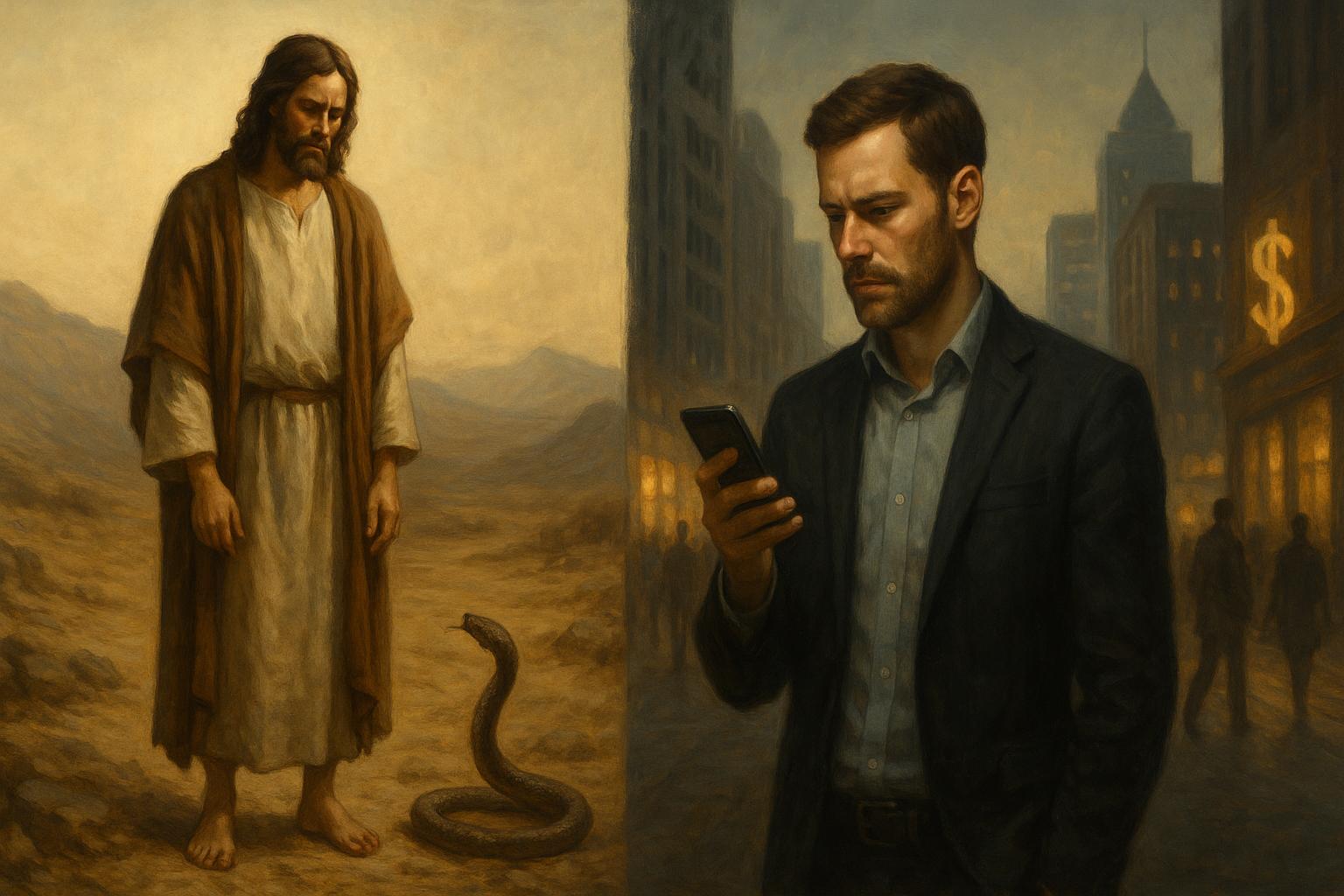
Why is the spirit of the age always so irresistible? It appeals to our fallen nature — to that part of us which still believes the serpent's lie in Eden. Like a skilled merchant who knows his customer's weaknesses, it offers three eternal temptations. These are the same temptations Jesus faced in the wilderness: bodily gratification ("command that these stones be made bread"), spiritual pride ("cast thyself down" from the temple), and worldly power ("all the kingdoms of the world"⁷). Every era dresses these temptations in its own language, but the core remains the same. Today they sound like this: "You have the right to pleasure," "You can define your own truth," "Technology will make you a god."
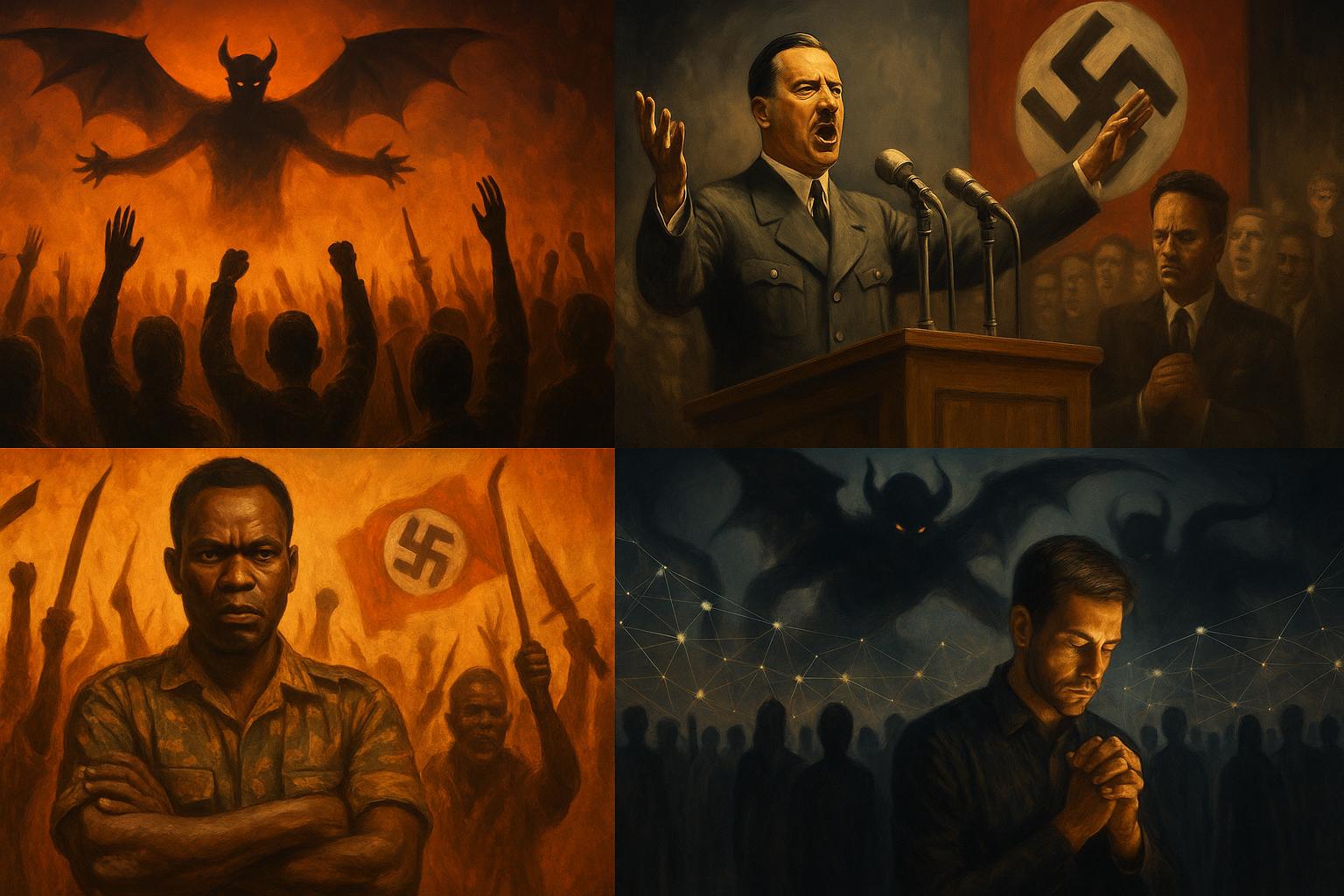
The power of the spirit of the age also rests on its collective nature. It does not operate solely at the individual level but creates "principalities and powers" — spiritual power structures that govern entire cultures. Consider how swiftly whole nations can descend into darkness: Germany in the 1930s transformed from a civilised nation into a monster; Rwanda in 1994 turned a neighbourhood paradise into a bloodbath; or how the West is now abandoning its Christian roots at staggering speed. This is not coincidence — it is coordinated spiritual warfare. Demons are organised, hierarchical, and strategic. Far more organised than most Christians realise.
Particularly revealing is the spirit of the age's relationship with time itself. The Greek word "kairos" means a strategic, decisive moment. Satan is a master at choosing the right moment to strike. Like a patient predator, he sometimes waits generations for the right opportunity. The Enlightenment came when the church was corrupted. Darwinism struck when the Industrial Revolution had shaken traditional structures. Gender ideology sweeps through right now, when family structures are at their weakest. This is not coincidence. It is warfare.
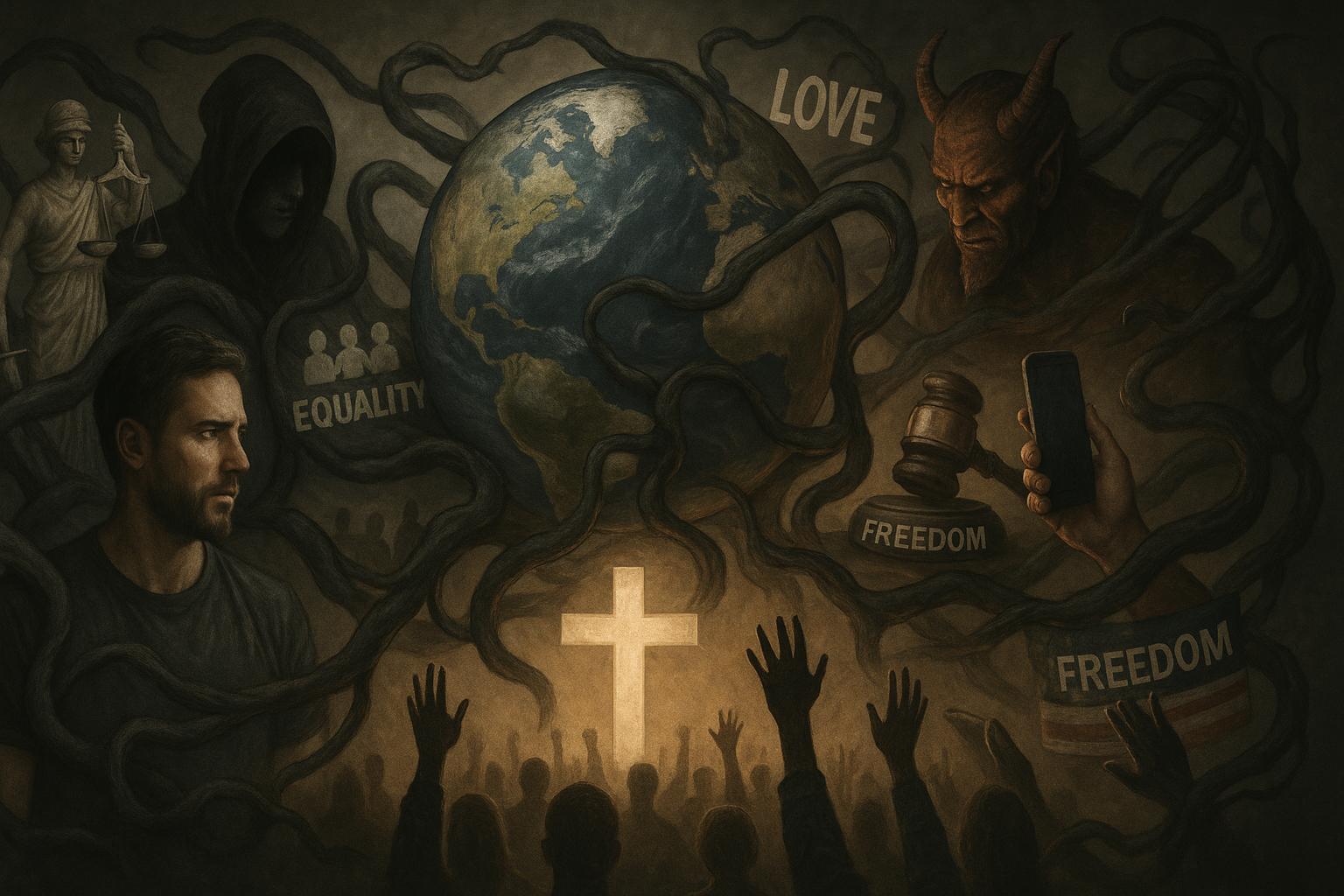
In our time, the spirit of the age has taken a particularly subtle form. It no longer attacks Christianity directly but co-opts its language. "Love," "justice," "equality," "freedom" — these are all biblical concepts that have been hijacked and emptied of their content. Love now means approving of sin. Justice is Marxist class struggle. Equality is the erasure of the sexes. Freedom is slavery to desire. This semantic warfare is perhaps the most dangerous of all, because it leads even Christians to champion things that stand against the Word of God. They believe they are acting in the name of love, when in reality they are advancing the kingdom of darkness.
Technology has given the spirit of the age unprecedented power. For the first time in history, it is possible to control the global narrative in real time. Social media, artificial intelligence, and algorithms are creating a "digital Babel" — a unified language and way of thinking that rejects God. Transhumanism literally promises what the serpent promised: "Ye shall be as gods." Metaverses create alternative realities where people can flee from the reality God created. This is not merely the misuse of technology. This is technology being used for what fallen man has always used it for: replacing God.

The most profound understanding of the spirit of the age comes when we recognise its ultimate objective. It is not merely moral decay or cultural decadence. It is worship. Satan desires worship⁸, and every manifestation of the spirit of the age is ultimately an invitation to bow before something other than God. Whether it be an emperor, an ideology, science, technology, or the self — all are idols before which humanity is called to kneel. This explains why the spirit of the age is always totalitarian: it tolerates no rivals. It demands the whole heart, the whole mind, the whole soul — precisely what only God deserves.
Recognition is the first step toward victory. When we see the spirit of the age for what it is — an ancient enemy, a cosmic rebel, and the father of lies — its power begins to break. John writes these comforting words: "Greater is he that is in you, than he that is in the world"⁹. This is not wishful thinking but spiritual fact. Christ has overcome the prince of this world¹⁰. The victory is won, even as the battle still rages.
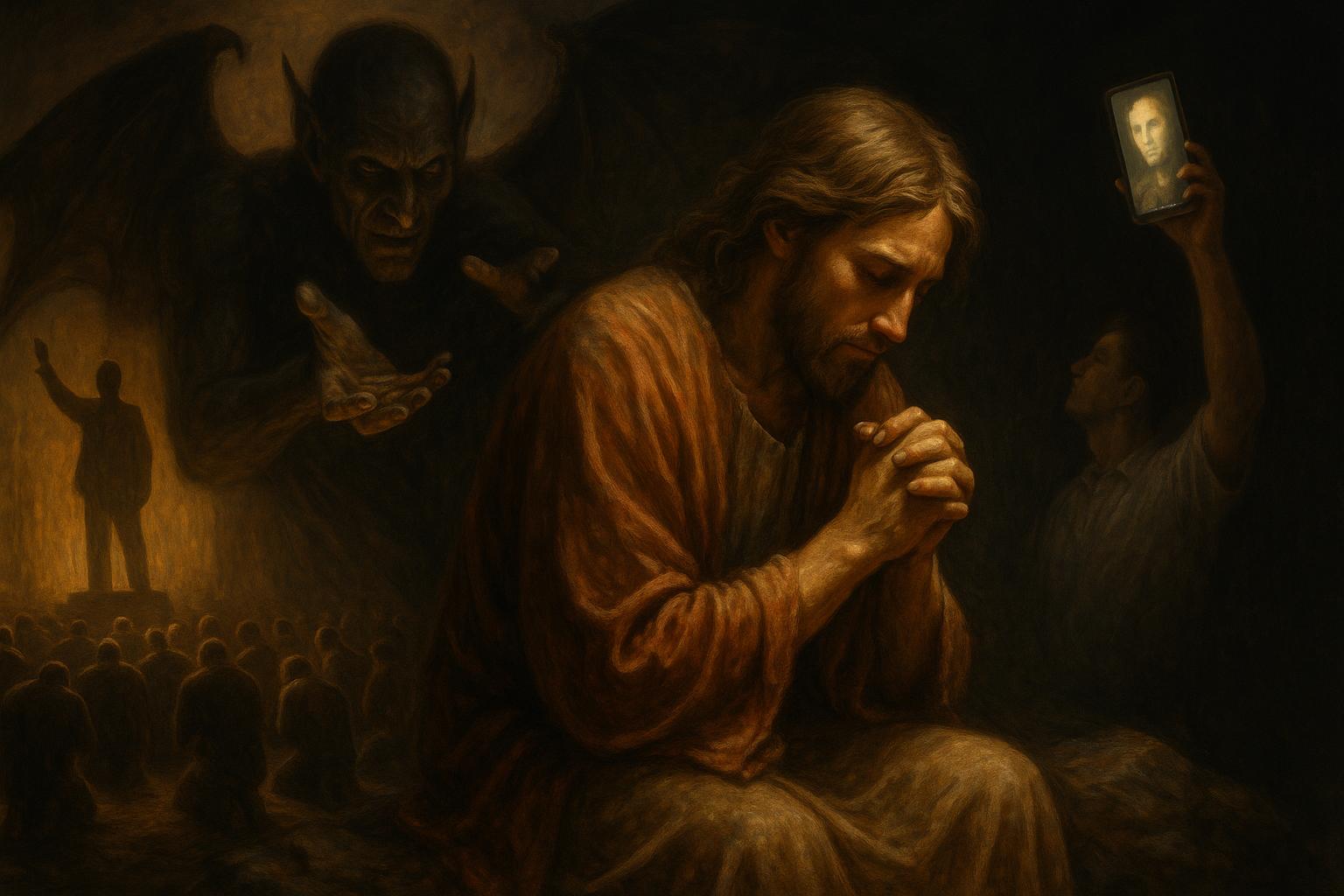
In practice, this means we must learn to "try the spirits"¹¹. Every cultural movement, every new idea, every "progressive" thought must be tested in the light of God's Word. The question is not "Is this modern?" but "Is this of Christ?" Not "What does the culture say?" but "What does the Spirit say unto the churches?" This requires spiritual discernment that comes from only three sources: prayer, knowledge of the Word, and a life filled with the Holy Spirit.
The spirit of the age will always be present in this fallen world until the return of Christ. Its power, however, is limited and its fate is sealed. The Book of Revelation discloses the end: "And the great dragon was cast out, that old serpent, called the Devil, and Satan, which deceiveth the whole world: he was cast out into the earth"¹². His time is short, and he knows it¹³. That is why the fury is so great right now. Yet we know the ending. We stand on the side of the Victor. The spirit of the age may rage for a moment, but eternity belongs to Christ and to those who are His.
Sources
- Ephesians 6:12
- Gospel of John 12:31
- Gospel of John 8:44
- Genesis 3:5
- Genesis 11:4
- 2 Corinthians 11:14
- Matthew 4:1–11
- Matthew 4:9
- 1 John 4:4
- Gospel of John 16:33
- 1 John 4:1
- Revelation 12:9
- Revelation 12:12